Early Pregnancy Signs Tracker Guide: The Ultimate Method
Introduction
The early pregnancy signs tracker guide helps women who are actively monitoring fertility understand which subtle cues may signal a new conception. By logging daily data-temperature, mucus, mood, and more-you can spot patterns that traditional calendars often miss. This article walks you through the most reliable signals, shows how to interpret them inside a symptom-tracking app, and explains why acting on these clues early can give you peace of mind and better health decisions.

Detecting Hormonal Temperature Shifts - early pregnancy signs tracker guide
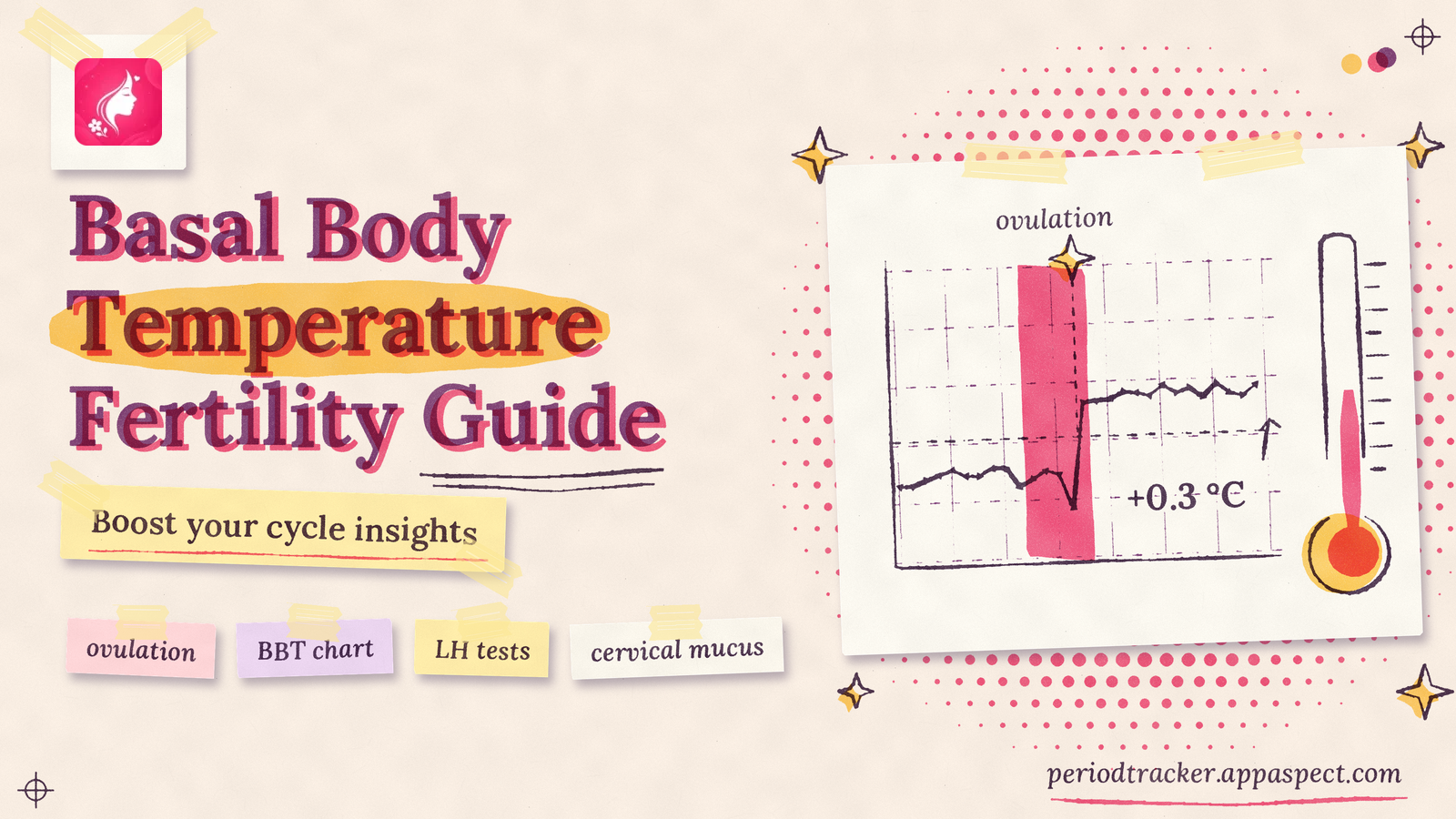
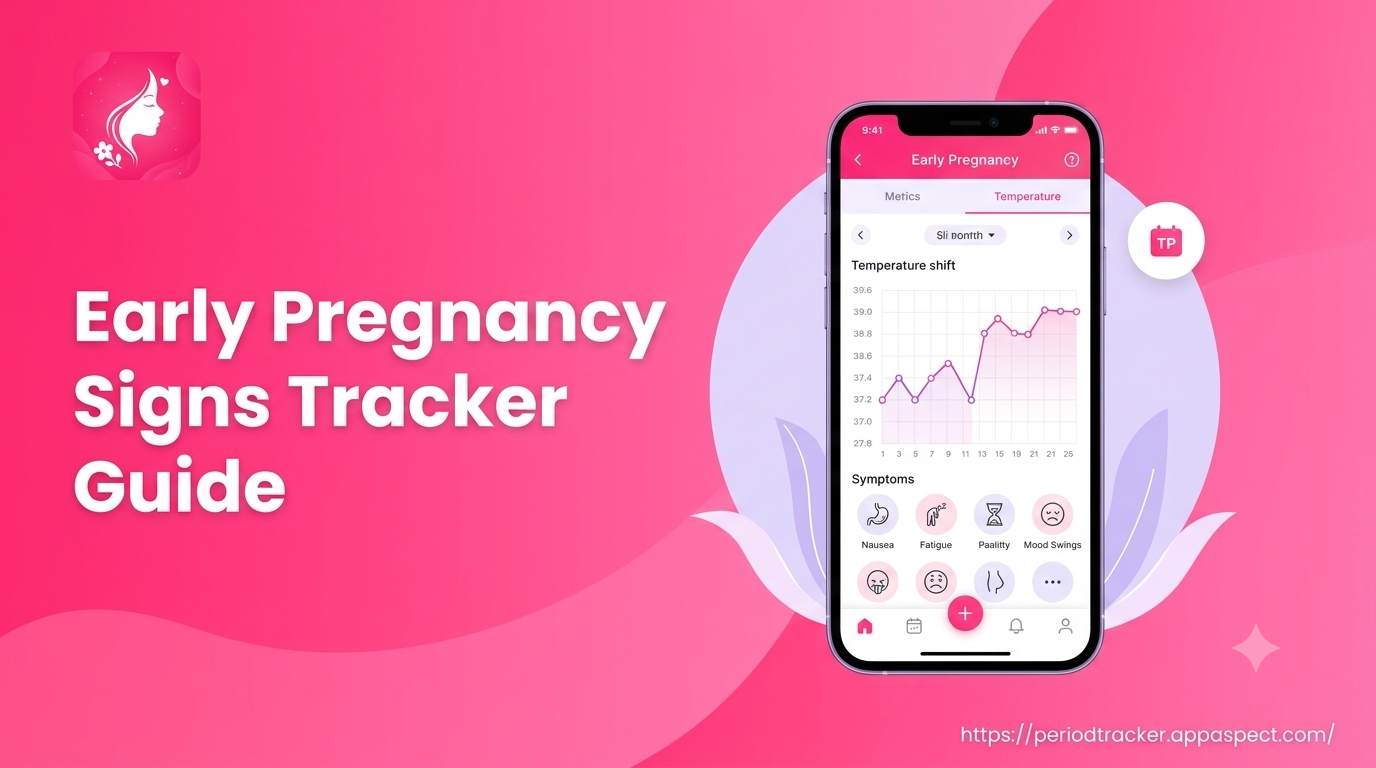
A sustained rise in basal body temperature (BBT) after ovulation is the first physiological change most clinicians teach. In a well-kept basal body temperature pregnancy log, a rise of 0.3-0.5 °C that persists for more than 12 days strongly suggests progesterone is supporting a possible implantation.
- Record at the same time each morning - consistency eliminates external noise.
- Use a reliable digital thermometer - a variance of ±0.1 °C can mask the trend.
- Mark the ovulation day - the temperature shift should follow this marker, not a random spike.
Why act now? Detecting a temperature shift before a missed period lets you schedule a confirmatory test while hormone levels are still rising, reducing false-negative results.
[!NOTE] A single temperature dip does not cancel the trend; look for the overall pattern across the cycle.
Adding a brief note on sleep quality can sharpen your interpretation. Poor rest often introduces minor fluctuations that mimic a rise; documenting sleep duration alongside BBT helps you filter out noise. Over several cycles, you’ll also see how lifestyle factors such as alcohol or late-night exercise influence the baseline, giving you a richer context for any sudden increase.
Changes in Cervical Mucus Consistency Logged in the App Signal Possible Implantation - early pregnancy signs tracker guide
Cervical mucus is a living barometer of estrogen and progesterone fluctuations. When you track implantation signs, you’ll notice that the mucus often becomes thicker, creamier, or even slightly tacky in the days following ovulation if implantation occurs.
- Pre-ovulation: Clear, stretchy, “egg-white” consistency.
- Post-ovulation (day + 5 to + 10): Transition to a milky or slightly sticky texture.
- Implantation window: A subtle increase in opacity and a decrease in stretchiness.
The Period Tracker app lets you attach a quick photo or choose from predefined descriptors, creating a visual timeline that highlights any deviation from your baseline.
Why act now? Early mucus changes often precede spotting or cramping, giving you an extra 48-hour window to monitor other signs before deciding on a pregnancy test.
A second paragraph can reinforce why visual records matter. Photographic evidence reduces subjective bias; two days of similar mucus texture captured in images provide a stronger signal than text alone. Pairing these images with the temperature chart creates a multi-dimensional view that boosts confidence in your early-pregnancy hypothesis.
Early Pregnancy Nausea Patterns Captured by Symptom Tracker - early pregnancy signs tracker guide
Morning sickness is famously associated with the first trimester, but the early pregnancy symptoms app can identify nausea trends that start as early as day 6 post-ovulation. When you log nausea intensity each day, a gradual increase that peaks around day 9-12 is a strong early clue.
- Rate nausea on a 0-10 scale - consistency matters more than wording.
- Note timing - early morning spikes versus all-day discomfort can differentiate pregnancy from a stomach bug.
- Cross-reference with BBT - a rising temperature plus rising nausea score is a high-confidence signal.
Why act now? Recognizing nausea early helps you adjust diet and hydration, reducing the risk of dehydration before a formal diagnosis.
[!TIP] Keep a small snack of crackers or ginger in your bag; it often eases early-gestation nausea.
Expand with a practical tip on pattern recognition. Over a 2-week window, plot nausea scores alongside BBT on the app’s chart feature; a parallel upward slope often confirms the hormonal surge associated with implantation. This visual cue can guide you to order a home test at the optimal time, improving accuracy.
Mood Swings Trend Analysis: Distinguishing Pregnancy from PMS
Hormonal upheaval can manifest as mood swings, but the pattern differs between pre-menstrual syndrome (PMS) and early pregnancy. In a period tracker pregnancy detection log, note the onset, duration, and emotional polarity of each swing.
- PMS: Mood dips typically begin 5-7 days before menstruation and resolve once bleeding starts.
- Early pregnancy: Mood changes may start shortly after implantation and persist or even intensify for weeks, often accompanied by a sense of “emotional fog.”
A simple line chart within the app can illustrate that mood swings aligned with a basal body temperature rise and cervical mucus shift are more likely pregnancy-related.
Why act now? Understanding the mood pattern can prevent unnecessary stress and help you seek emotional support early, which is linked to better pregnancy outcomes.
Adding depth, consider the role of sleep and nutrition. Tracking bedtime quality and daily nutrient intake alongside mood scores reveals secondary influencers; a consistent lack of sleep can exaggerate swings, while a balanced diet may smooth them, refining your interpretation of whether the mood shift is pregnancy-driven.
Key Takeaways
- Log basal body temperature daily; a sustained 0.3-0.5 °C rise after ovulation is a primary early indicator.
- Capture cervical mucus texture; a shift to creamier, less stretchy mucus after day 5 post-ovulation may signal implantation.
- Rate nausea each morning; a gradual increase peaking around day 9-12 strengthens the pregnancy hypothesis.
- Track mood swings alongside temperature and mucus; persistent changes beyond the typical PMS window suggest early gestation.
- Use a single, reliable platform-Period Tracker-to keep all data points synchronized for clearer pattern recognition.
Conclusion
The early pregnancy signs tracker guide shows that a disciplined logging routine can reveal pregnancy before a missed period, giving you confidence and actionable insight. By focusing on temperature, mucus, nausea, and mood trends within a trusted app, you turn raw data into early-gestation intelligence.
Call to Action
Ready to start using a single, user-friendly tool that brings temperature, mucus, mood, and symptom logs together? Period Tracker lets you capture every clue in one place, so you can spot early pregnancy signs with confidence. Download the app now and begin your personalized tracking journey today.
Further Reading
- Implantation (Wikipedia) - Overview of the implantation process and early signs.
- Basal Body Temperature Charting (CDC) - Public health guidance on temperature tracking.
- Cervical Mucus and Fertility (NIH) - Scientific explanation of mucus changes across the cycle.
- Morning Sickness (Mayo Clinic) - Clinical perspective on early nausea patterns.
- Mood Changes During Pregnancy (American Pregnancy Association) - Insight into emotional shifts in early gestation.