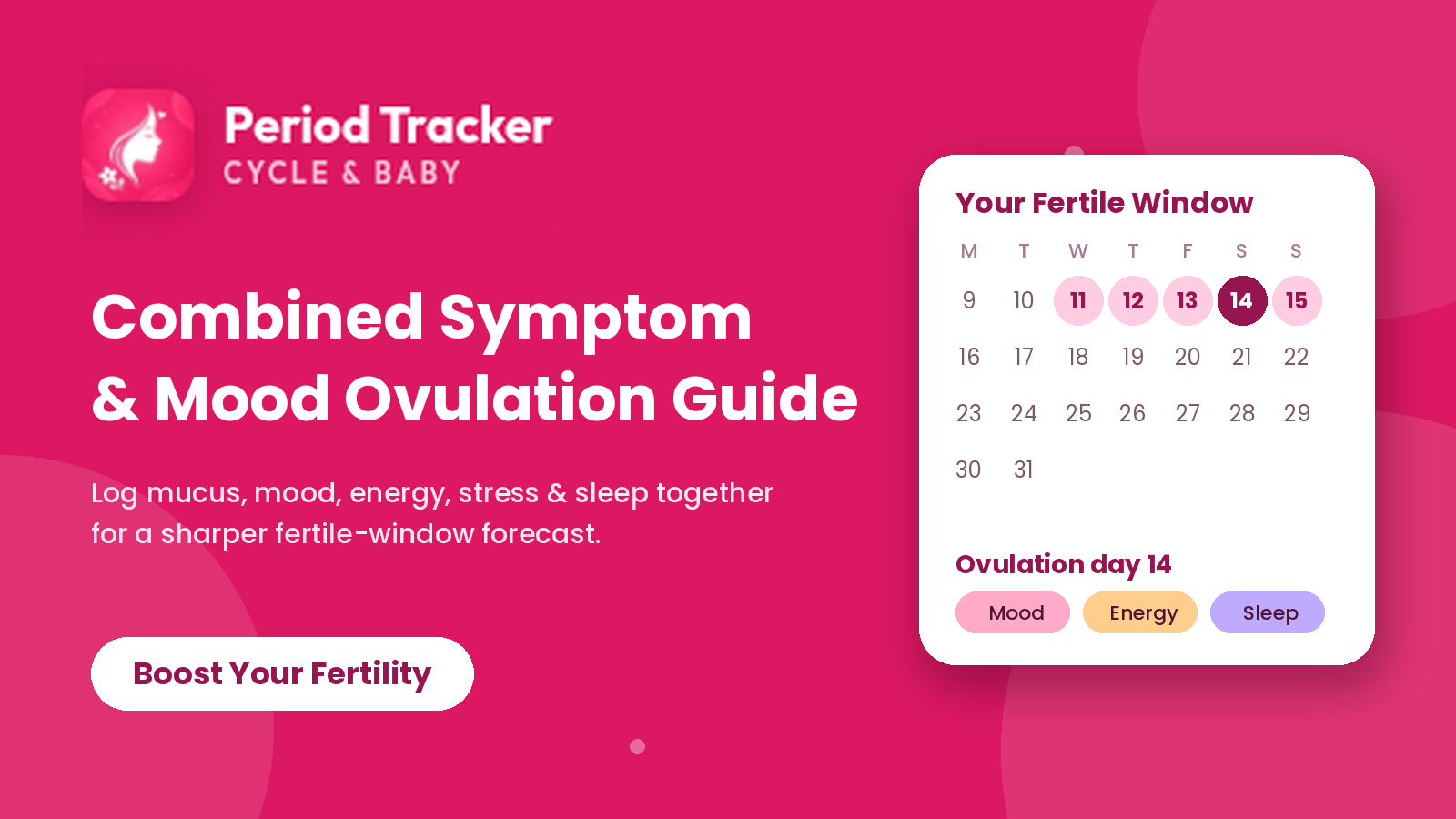
Combined Symptom Mood Ovulation Guide: Boost Your Fertility
Introduction
Combined symptom mood ovulation guide is the fastest way for women tracking menstrual cycles to turn raw daily observations into a reliable fertile-window forecast. Whether you are planning a pregnancy, practicing fertility-awareness, or simply curious about reproductive wellness, this guide shows how linking mood, energy, stress, sleep and classic signs sharpens ovulation prediction. By the end you’ll know exactly which data points to log, why they matter, and how to act on them today.
Leveraging Cervical Mucus Consistency and Mood Swings - a combined symptom mood ovulation guide
Cervical mucus is the gold standard for identifying the fertile window, but pairing it with mood swings creates a double-check that reduces false positives.
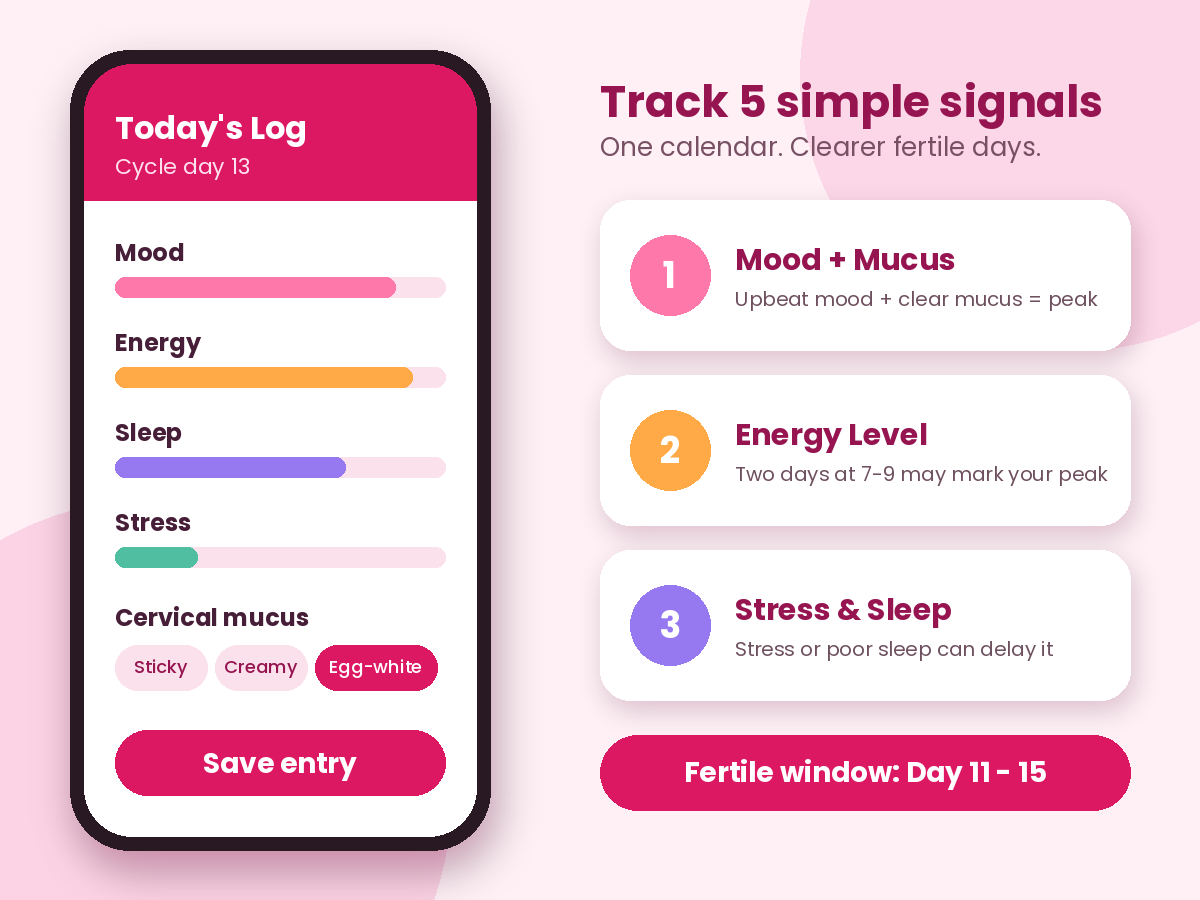
- Observe mucus texture each morning - sticky, creamy, egg-white clear are the three stages most clinicians reference.
- Note emotional tone in the same entry: many users report a subtle lift in mood 24-48 hours before the LH surge.
- Cross-reference the two columns in your Period Tracker log; a day where clear mucus aligns with a “more upbeat” mood scores higher for ovulation probability.
Concrete example: Sarah logged clear, stretchy mucus on day 12 of her cycle and recorded a sudden burst of optimism. The next day her home ovulation test was positive, confirming that the combined cue was accurate.
Why act now? Using mood as a secondary marker catches ovulation days that mucus alone might miss due to dehydration or minor infections, giving you a broader fertile window without extra testing.
Daily Energy Level Tracking in a combined symptom mood ovulation guide
Energy fluctuations are a subtle but measurable side effect of rising estrogen. When you log daily energy level alongside traditional symptoms, the algorithm can weight high-energy days as a secondary ovulation indicator.
- Rate your vigor on a 1-10 scale each evening; be honest about coffee, exercise and overall fatigue.
- Identify patterns: a consistent 7-9 rating for two consecutive days often aligns with the peak fertile period.
- Adjust predictions: if your Period Tracker shows a low-confidence fertile window but your energy scores are high, extend the window by one day on each side.
Concrete example: Maya noticed a sudden spike to 9 on day 13, even though her mucus was still creamy. Extending her fertile window by a day captured her successful conception on day 14.
Why act now? Energy data is free, effortless, and provides a real-time physiological cue that can compensate for missed mucus observations, especially during travel or illness.
Integrating Stress Hormone Indicators with Symptom Logs for Better Fertility Insight
Stress releases cortisol, which can suppress the LH surge and mask classic ovulation signs. By logging stress indicators- such as a “high stress” tag or a brief note on work pressure-you give the Period Tracker context to reinterpret ambiguous symptoms.
- Mark stress level (low, moderate, high) each day.
- Pair with symptom notes: if you record low cervical mucus but also high stress, the app may downgrade the day’s fertility score.
- Review trends: weeks with sustained high stress often show a delayed or shortened fertile window, prompting you to prioritize relaxation techniques.
Concrete example: Priya logged a week of high stress due to a project deadline. Her mucus remained scant, and the app correctly shifted her predicted ovulation from day 12 to day 14, matching her later positive ovulation test.
Why act now? Recognizing stress as a modifier prevents false optimism and helps you schedule fertility-enhancing activities-like yoga or meditation-during the most promising days.
Using Sleep Quality Data alongside Mood to Forecast Ovulation Peaks
Sleep architecture influences hormone balance; poor sleep can blunt the estrogen rise that fuels the fertile window. Adding sleep quality to your symptom-mood log creates a third pillar for ovulation forecasting.
- Rate sleep each morning on a 1-5 scale, noting interruptions or insomnia.
- Correlate with mood: a well-rested night often coincides with a brighter mood, both of which signal a healthy estrogen environment.
- Fine-tune predictions: if a day shows clear mucus but a sleep rating of 1, the app may lower the fertility confidence, prompting you to wait an extra day.
Concrete example: Lina experienced clear mucus on day 11 but rated her sleep as 2 after a restless night. The app suggested a modest confidence drop, and she successfully conceived after her next clear-mucus, high-sleep day.
Why act now? Sleep data adds a physiological safety net, ensuring you don’t rely on a single symptom that could be skewed by fatigue.
FAQs
Can mood tracking improve ovulation prediction?
Yes. Mood shifts often mirror the estrogen surge that precedes ovulation, providing an emotional barometer that complements physical signs like mucus and basal temperature.
What symptoms are most reliable for identifying fertile days?
Cervical mucus consistency, basal body temperature rise, and a positive LH test remain the most reliable. When combined with mood, energy, stress and sleep data, the overall prediction becomes more resilient.
How does stress affect menstrual cycle accuracy?
High cortisol can delay the LH surge, shorten the fertile window, and produce irregular cervical mucus. Logging stress helps the Period Tracker adjust predictions to reflect these hormonal disruptions.
Is cervical mucus data more important than mood for fertility?
Cervical mucus is the primary physiological marker, but mood adds a secondary, non-invasive cue. Together they increase prediction confidence, especially when mucus observations are ambiguous.
What apps combine symptom and mood tracking for better ovulation forecasts?
Period Tracker offers a unified calendar that captures period dates, daily symptom and mood entries, and personalized reminders-all in one user-friendly interface.
Conclusion
A combined symptom mood ovulation guide turns everyday feelings and observations into a science-backed fertility roadmap. By logging cervical mucus, mood swings, energy levels, stress tags and sleep quality in Period Tracker, you gain a multi-dimensional view that outperforms any single-parameter method. The result is a clearer, more accurate fertile window and greater confidence in your reproductive choices.
Key Takeaways
- Log cervical mucus and mood together; the overlap sharpens ovulation pinpointing.
- Track energy levels daily; high scores often flag the peak fertile day.
- Record stress intensity; high cortisol can delay ovulation and should downgrade fertility scores.
- Include sleep quality; rested nights reinforce hormonal signals and improve prediction confidence.
- Use Period Tracker to centralize all data points, turning raw observations into actionable insights.
Call to Action
Ready to start a more precise fertility journey? Period Tracker lets you capture symptom, mood, energy, stress and sleep data in one seamless calendar, delivering personalized fertile-window forecasts you can trust. Download the app today and see how integrated tracking transforms your cycle awareness.
Further Reading
- Fertility awareness methods - Overview of natural family planning techniques.
- Menstrual cycle and stress - Scientific review of cortisol’s impact on ovulation.
- Sleep and reproductive health - CDC guidance on how sleep influences hormone balance.
- Cervical mucus and fertility - WHO factsheet on cervical mucus as a fertility indicator.