Basal Body Temperature Fertility Guide: Boost Your Cycle Insights
Introduction
Basal body temperature fertility guide helps women who track fertility and pregnancy turn a simple daily number into reliable ovulation clues. By learning the science behind temperature shifts, you can sharpen the accuracy of your fertile window and feel more confident about conception planning. This article walks you through pattern basics, precise measurement, chart interpretation, and how to combine BBT with other signs-all while showing where the Period Tracker app fits naturally into your routine.
Understanding Basal Body Temperature Patterns for Fertility
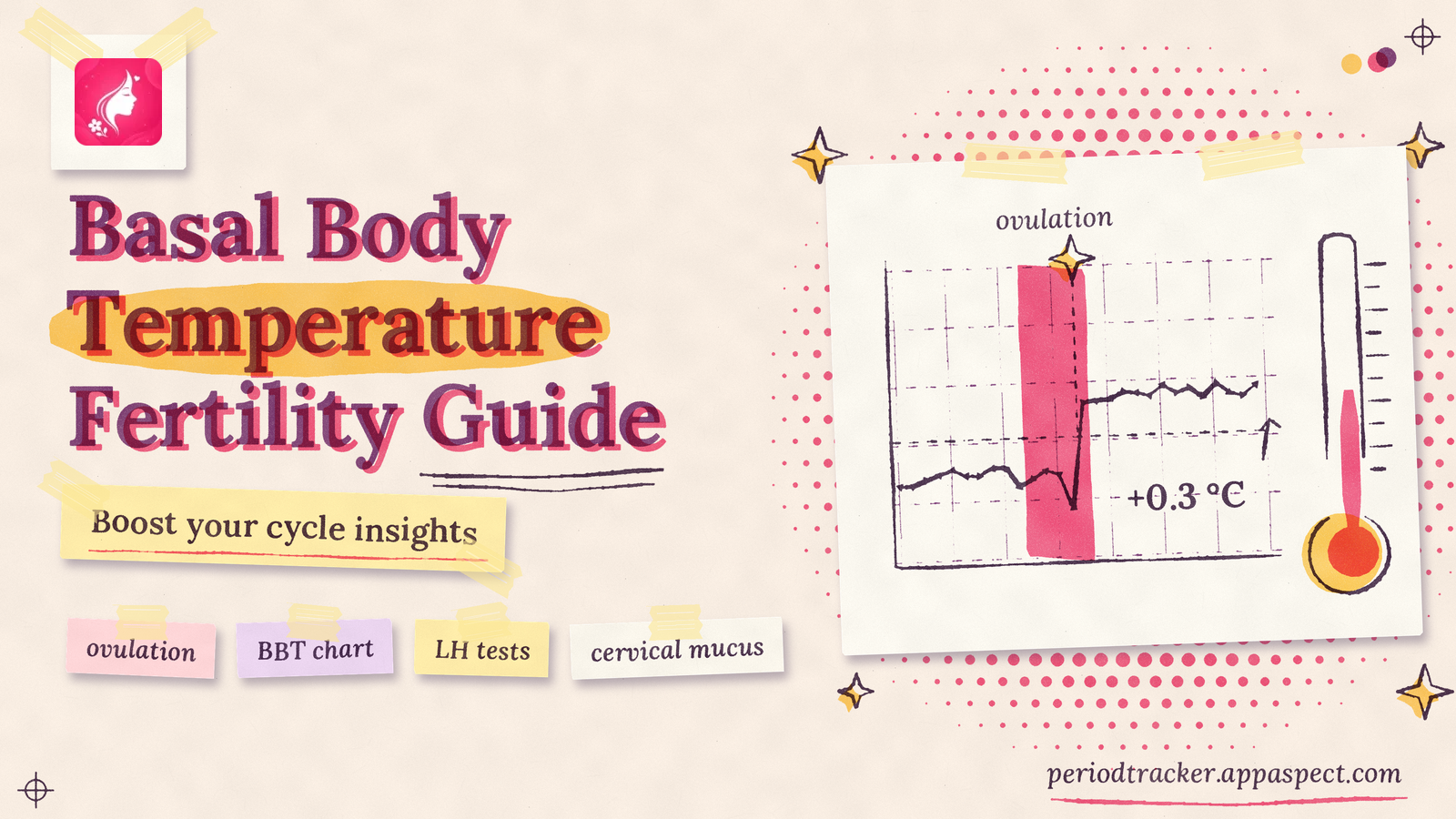
Basal body temperature (BBT) is the lowest body temperature attained after a full night of sleep, typically measured right after waking. During the follicular phase (the first half of the cycle) estrogen keeps the body slightly cooler, so temperatures hover in a narrow range. After ovulation, progesterone rises and lifts the basal temperature by about 0.3-0.5 °C (0.5-1 °F). This post-ovulatory rise marks the start of the luteal phase and confirms that release has occurred.
Key points to remember:
- The temperature shift is subtle; a reliable thermometer and consistent timing are essential.
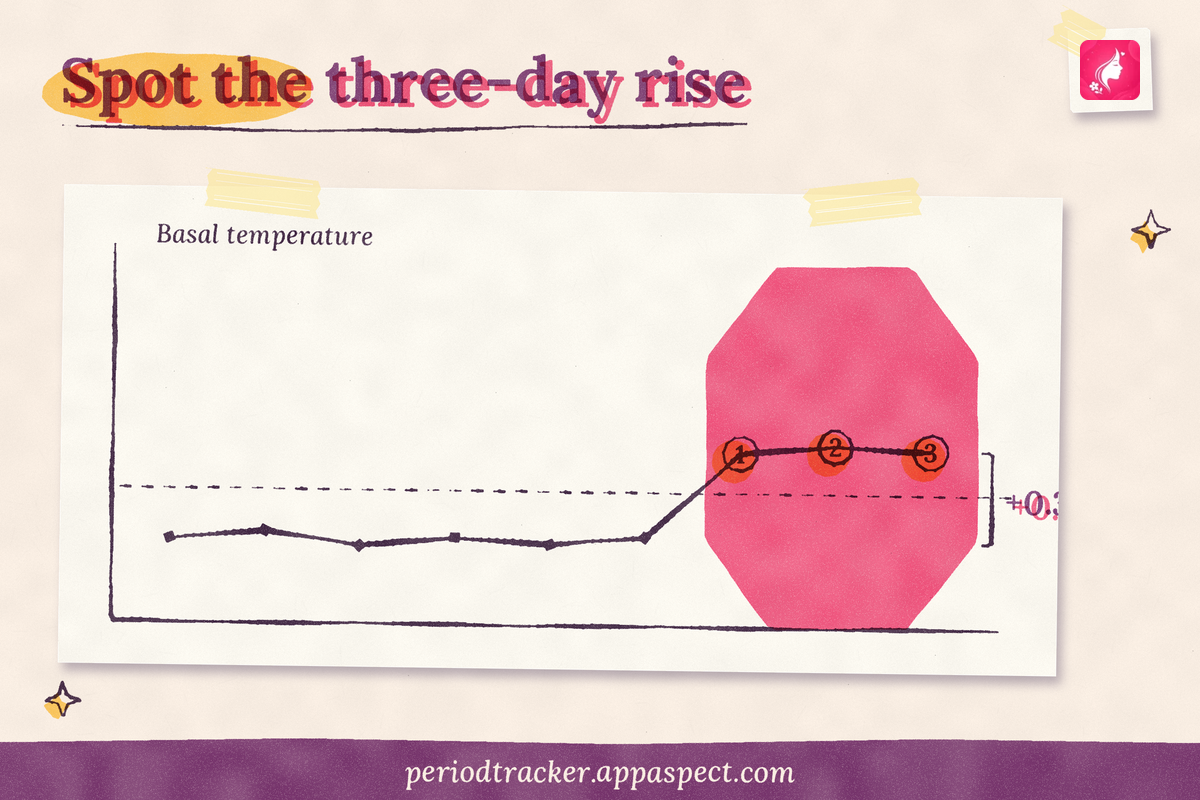
- A single rise does not guarantee pregnancy, but a sustained elevation for at least three days confirms ovulation.
- Tracking over multiple cycles reveals personal patterns, making future predictions more precise.
[!NOTE] The temperature rise is a physiological response to progesterone, not a sign of pregnancy itself.
How to Accurately Measure and Record BBT Daily
Accurate BBT data starts with a disciplined measurement routine. Follow these steps each morning to minimize variability:
- Choose the right tool - Use a digital basal thermometer that displays two decimal places.
- Measure at the same time - Record temperature within 30 minutes of waking, before any activity, food, or drink.
- Take the same site - Oral, vaginal, or rectal readings are all valid, but stick to one method throughout a cycle.
- Record immediately - Enter the value into a reliable tracker as soon as you finish the measurement.
The Period Tracker app provides a dedicated BBT entry field that timestamps each reading, helping you maintain consistency without extra spreadsheets. Its calendar view aligns temperature points with menstrual phases, making it easy to spot trends at a glance.
[!TIP] Keep the thermometer on your nightstand so you can grab it before getting out of bed.
Interpreting BBT Shifts to Identify Ovulation
Once you have a series of daily numbers, the next step is chart interpretation. Look for the classic three-day sustained rise, which signals that ovulation has taken place. Here’s a simple workflow:
- Baseline establishment - During days 1-10 of your cycle, calculate the average temperature; this becomes your follicular baseline.
- Detect the dip - Some women experience a slight dip just before ovulation, often 0.1-0.2 °C lower than the baseline.
- Confirm the rise - A rise of at least 0.3 °C sustained for three consecutive mornings confirms ovulation.
If you see a rise that falls back to baseline within 24 hours, the reading may be a false positive, often caused by illness, alcohol, or disrupted sleep.
Basal temperature chart interpretation becomes more reliable when you overlay other fertility cues, such as cervical mucus changes or ovulation test results. The Period Tracker app lets you add notes for mucus texture and LH test lines, creating a composite view that highlights the fertile window more clearly than temperature alone.
Integrating BBT Data with Other Fertility Signs in a Tracker
Relying solely on BBT can miss the earliest fertile days because the temperature rise occurs after ovulation. To improve fertile window accuracy, combine BBT with complementary signs:
- Cervical mucus - Clear, stretchy mucus peaks around ovulation; log its consistency daily.
- LH surge kits - A positive test usually appears 24-36 hours before the temperature rise; record the test date.
- Symptom tracking - Breast tenderness, mild cramping, or increased libido often coincide with the fertile phase; note these in the app.
When these data points converge, the tracker can highlight the optimal conception days. Period Tracker’s built-in algorithm uses your entered BBT, mucus, and LH results to shade the fertile window on the calendar, giving you a visual cue without manual calculations.
[!IMPORTANT] Consistency across all signs is more predictive than any single metric; treat BBT as a confirmation rather than a primary predictor.
FAQs
What is basal body temperature and how does it relate to ovulation?
Basal body temperature is the lowest resting body temperature measured after a full night’s sleep. A sustained rise after ovulation, driven by progesterone, confirms that the egg has been released.
How many degrees does BBT rise after ovulation?
Typically, BBT rises 0.3-0.5 °C (0.5-1 °F) and stays elevated for at least three days. Smaller shifts may still indicate ovulation but are less reliable.
Can I use BBT alone to predict my fertile window?
BBT alone can confirm ovulation after it happens, but it does not predict the fertile days that precede release. Combining BBT with mucus observation or LH testing gives a more complete picture.
Do I need a special thermometer for accurate BBT tracking?
A digital basal thermometer with two-decimal precision is recommended. Standard fever thermometers may not detect the subtle temperature changes needed for fertility tracking.
How does stress affect basal body temperature readings?
Stress can disrupt sleep patterns and hormone balance, leading to irregular BBT readings. Maintaining a calm morning routine and consistent sleep schedule helps reduce stress-related variability.
Conclusion
A basal body temperature fertility guide equips you with a low-cost, data-driven method to confirm ovulation and refine your fertile window. By measuring consistently, interpreting shifts correctly, and integrating BBT with other signs, you gain clearer insight into your cycle. Leveraging a dedicated tracker like Period Tracker streamlines this process, turning raw numbers into actionable fertility insights.
Key Takeaways
- Measure BBT each morning at the same time, using a digital basal thermometer.
- Look for a sustained rise of 0.3-0.5 °C to confirm ovulation.
- Combine BBT with cervical mucus, LH tests, and symptom notes for a fuller picture.
- Use Period Tracker to log data, visualize patterns, and highlight the fertile window.
- Stay consistent and minimize stress to reduce temperature variability.
Call to Action
Ready to sharpen your cycle insights? Start Using Period Tracker to log basal body temperature alongside other fertility signs, and let the app’s calendar guide you toward more accurate fertile window predictions. Download here and begin turning daily data into confident family-planning decisions.
Further Reading
- Basal body temperature - Overview of BBT science and its role in fertility.
- Ovulation - Detailed explanation of the ovulation process and hormonal changes.
- Fertility awareness methods - Comparison of natural family planning techniques.
- Hormonal regulation of the menstrual cycle - Academic overview of cycle hormones and temperature effects.
- National Institutes of Health - Reproductive Health - Authoritative resources on reproductive health research.